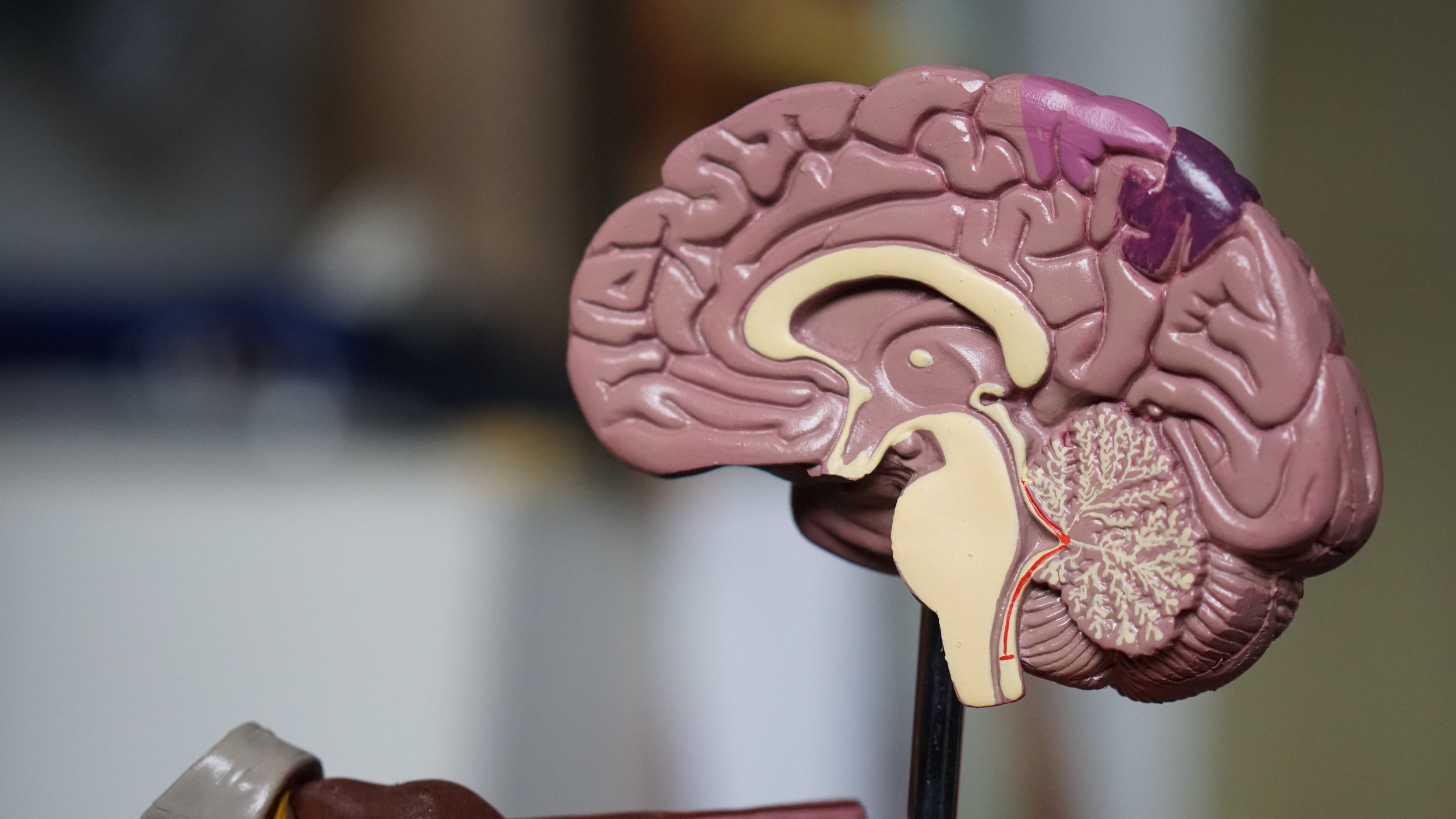
Team project for WPS Hack-a-Thon
WPS assembled a group of designers, engineers, and researchers to develop a solution for future forward assessments. Together, we came up with a design that integrated hardware and software.

Mental Health Matters
Everyone should have the opportunity to understand their health
Problem Statement:
When it comes to diagnosing and treating mental health issues within a population, how can we do this as quickly and as easily as possible?
Help assess critical mental health issues like: anxiety and stress, attention disorders, mood and emotional well being, depression and isolation, potential for suicide, behavioral disorders, social stress
It is possible to determine someone's mental health by tracking their emotions and physical responses. Assessors need new ways of testing their clients for diagnosis and tools to manage their intervention plans. As we worked through this idea, we weighed the market need for this since we saw a desire to provide a way for people to be assessed more easily and more readily.
With the Aware app we can easily check in with people and their emotions, while spotting patterns in their behavior over time and create helpful interventions.
“Nearly 6 out of 10 adults who say their mental health is only fair or poor say they have not been able to get needed care.
For those who have gone without help, the most common reasons cited were being too busy or unable to take time off work, being unable to afford the cost, and being afraid or embarrassed to seek care, according to the CNN and KFF survey.”
Awear can address issues like:
• Depression
• Anxiety
• Classroom engagement
• Chronic illness
Solution:
Our goal is to provide low-cost smartwatches to all students in a school and clients in private practices and other communities and use the data we collect to screen and offer interventions.
Competitive audits of other screeners to determine where could differentiate our product
Usability tests to determine ease-of-use
Plus consider — biometric screenings can offer a variety of modalities (tablets, laptops, watches, physiological sensors, home monitoring stations, mixed media displays, and direct measures (i.e. timing, tracking, monitoring physiological inputs, etc.) could be used to deliver a consistent, accurate, and holistic experience and reporting.
Result
Real time tracking
Results that can be measured against other factors since the data is so robust
User Flow:
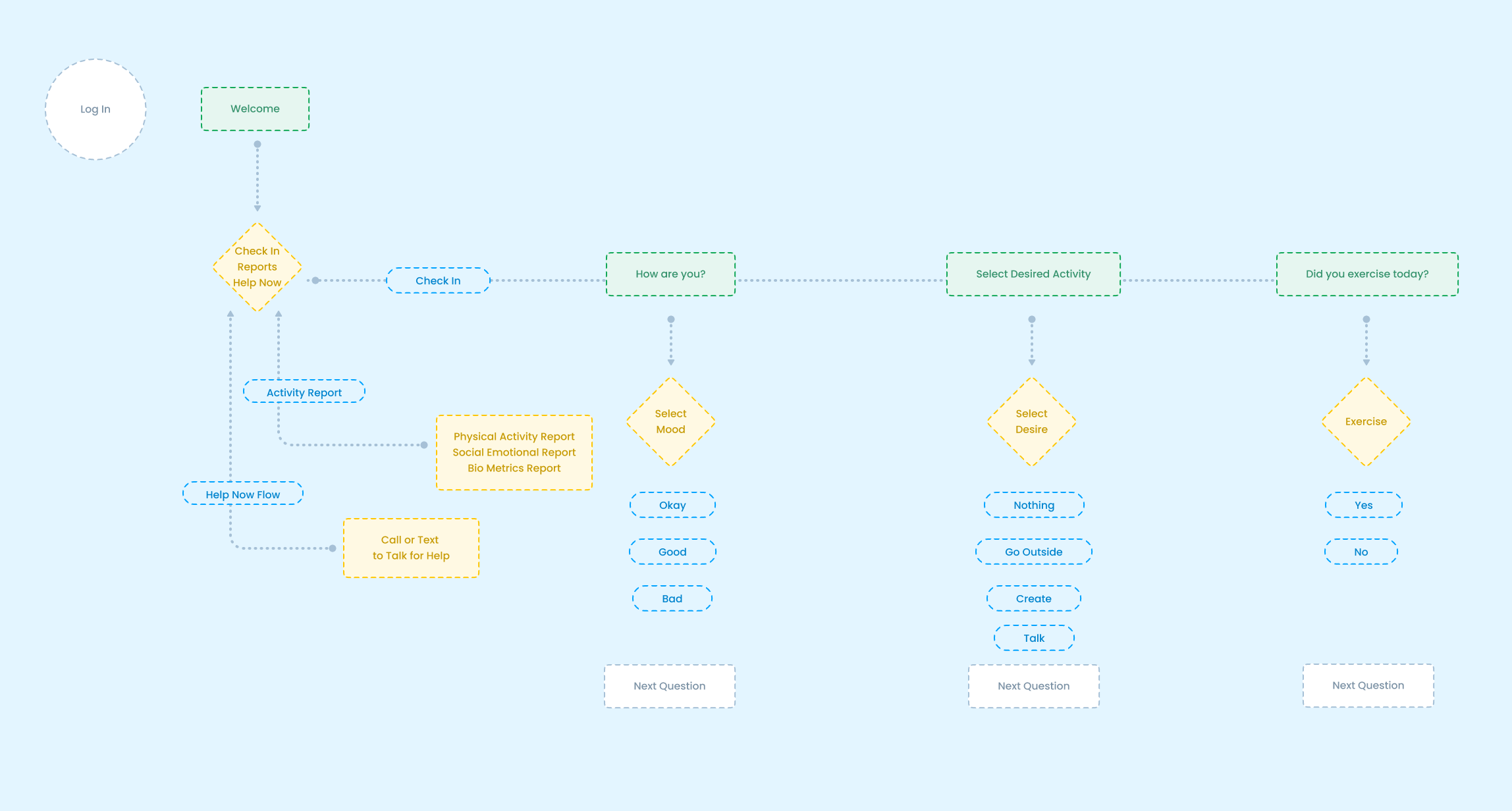
Assessment flow for users
Reporting User Flow *Coming Soon
Design Concepts:
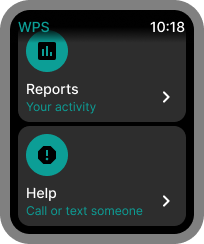
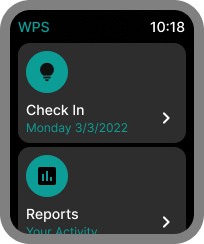
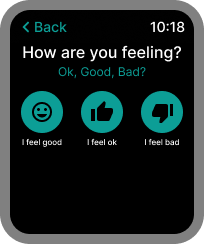
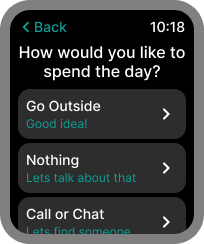
How it works:
1.Watches are handed to students or clients
2.Tracking begins
3.Data is periodically collected via Bluetooth gateway on school grounds or via a blue tooth check in center in a clinic or set up at home
4.Occupational Therapist, School Psychologist, care-givers, doctors can monitors data and reports
5.Devices are returned and re-used
Research:
Scientists are using fitness trackers and AI to detect depression with 80% accuracy.
NIH Explores the use of wearables to measure classroom engagement
Smart watches can now measure stress using ECG.
Including a major plus that the hardware has plummeted in cost
User Feedback
But what about privacy and security?
PII (Personally Identifiable Information) is secure and encrypted
Users can opt out of PII collection if they don’t want personalized results
Opt-in/opt-out of process
Common Questions and Concerns
1.Are your school's policies improving mental health year over year?
2.Which groups are currently at the most risk of depression or disengagement?
3.Which of your students should be further screened with other WPS products?
4.How can we use technology to accomplish more with the same number of practitioners?
Potentially help with caseload of School Psychologists, Occupational Therapists, etc.
More sources:
Apple watch accurately predicts stress levels
Wearables to detect difficulties following traumatic events
NIH on wearables for depression detection
Scientists are using fitness trackers and AI to detect depression with '80% accuracy'